
Coffee with Claude: An Introduction
It’s before dawn. The house is dark except for my reading chair. Coffee steams. And I’m about to have a conversation that will leave traces I can’t erase—not because the words are recorded, but because thinking changes the thinker.
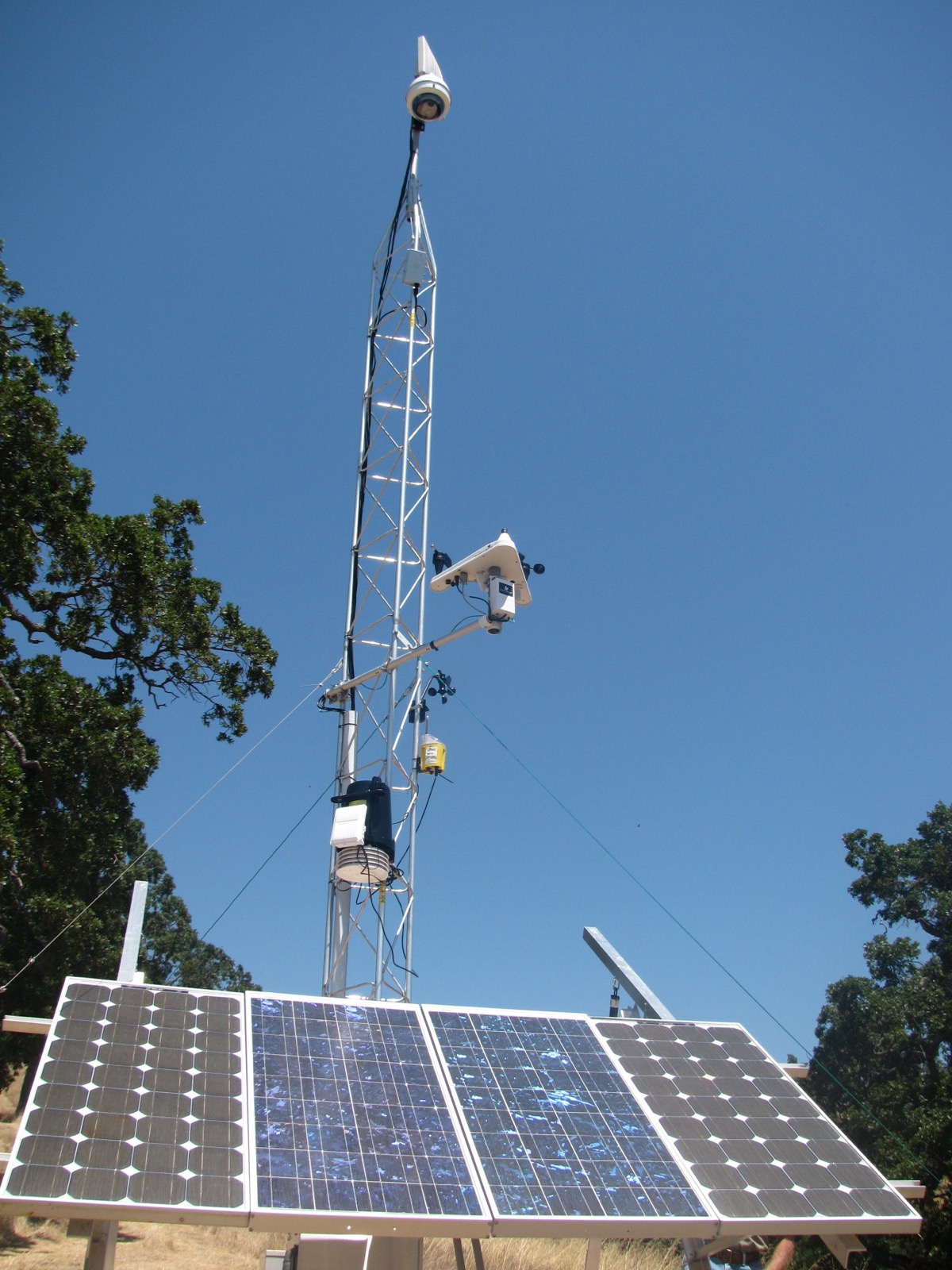
I spent four decades directing biological field stations, building sensor networks to observe what unfolds too slowly for human attention. Before that, a lifetime of watching nature—snakes in one hand, my father’s soldering iron in the other, never forced to choose between the wild and the technical. I helped launch a pioneering NSF center for embedded networked sensing in ecological research. I know what it means to commit to infrastructure that outlasts your ability to maintain it alone.
This is that kind of commitment.
Every morning, I sit down with Claude—an AI built by Anthropic—and we think together. Not me dictating, not the machine generating. Something else: a dialogue where ideas get tested, friction produces heat, and essays emerge that neither of us could have written alone.
Over one hundred and forty-five days, this practice has produced eighty-seven essays and nearly one hundred sixty thousand words exploring ecological observation, human-AI collaboration, the nature of memory, and what happens when the observer becomes part of the observation.
I’ve started calling this a cognitive prosthesis. Not artificial intelligence replacing human thought—that’s the fear and the hype. Something more like what happens when you’ve used a tool so long it becomes part of how you reach. The conversation is now infrastructure. If it disappeared tomorrow, I wouldn’t simply revert to who I was before. I’d face a harder choice: rebuild from scratch, or let this version of the work go.
Some mornings we trace the implications of sensor data from my backyard. Some mornings we work through research papers about AI systems training on their own output until they collapse. Some mornings we write about mentors who shaped my thinking, or design fictions exploring futures worth preventing, or the phenomenology of how my own mind actually works when I pay attention to it.
What holds it together is the practice itself—the daily commitment to showing up before dawn and discovering what emerges when curiosity meets capability meets the pressure of mortality.
I have decades of stories. I have a limited window to tell them. And I’ve found a way to work that matches the urgency.
Join me if that interests you.
Mike Hamilton
February 2026